October 2026
Stemble’s Learnings
Product updates, educational design inspiration, education research, and news for STEM educators.
Welcome to the October edition of the Stemble newsletter! We’re educators ourselves, and our goal is to always be learning alongside the community.
This month, we’re sharing new tools to make course setup and marking easier, a look at how our design team is combining AI feedback with human grading, and research that has us thinking about chemistry education and student learning.
-
Welcome to New & Returning Users
For many in our community, fall means a new academic year; for others, the term is already well underway. For Stemble, September means a huge influx of students and instructors - in the past month, over 30 thousand users logged in! A big thank-you to our product and content teams for helping everyone get started smoothly, and to the instructors and students who make up our community. We’re delighted to support your teaching and grateful to keep learning alongside you.

-
Product Updates
What we’ve been doing lately to improve the Stemble platform
Each month, we’ll include some updates on new features and fixes. If you have any questions about how these work with your course, don’t hesitate to get in touch!
Add Images More Easily
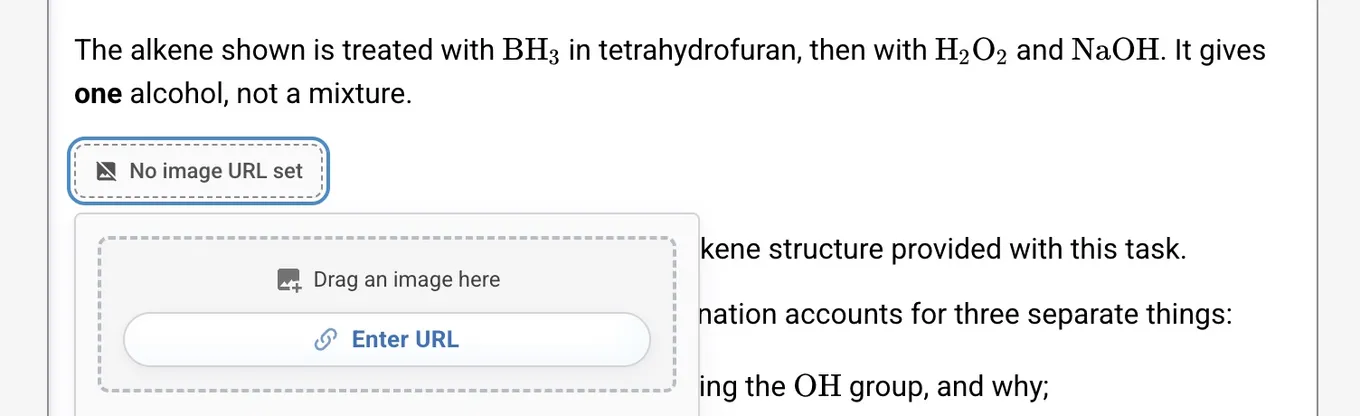
Choose images from the task’s media library, or paste or drag and drop new images into the editor. You can also use shorter image links that don’t need the full web address. These options make it quicker to add visuals that help students understand the material.
Check Correct Answers While Marking or Previewing
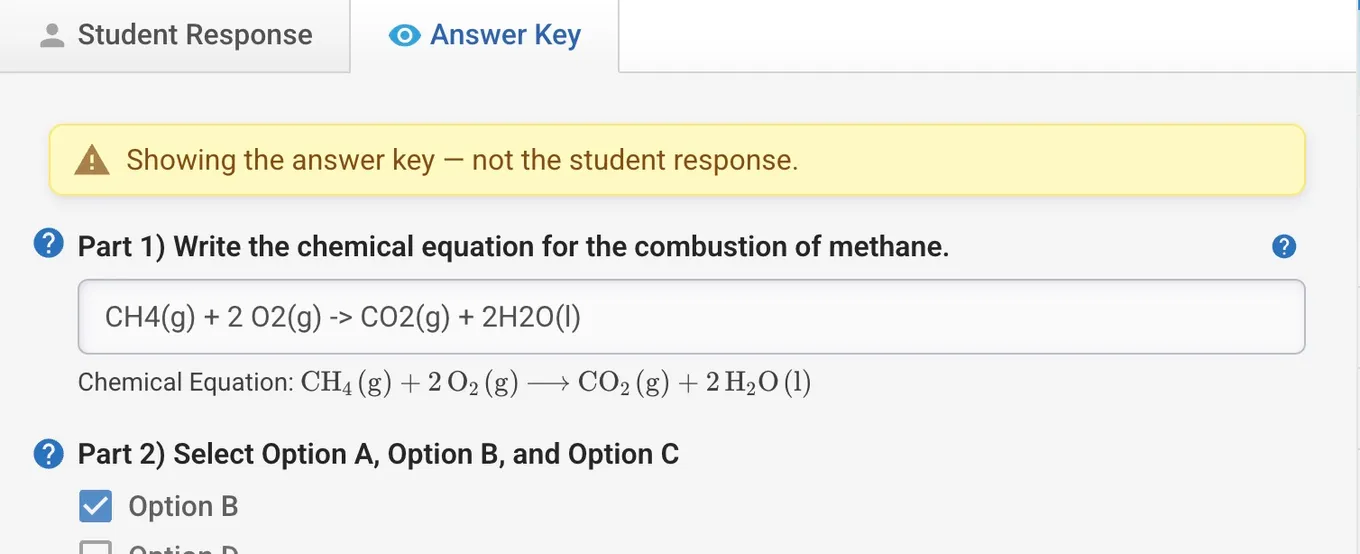
Instructors can now view the correct answer directly from the marking and task preview screens. This makes it easier to check answers and give students accurate feedback without switching screens.
Materials Page Now Available
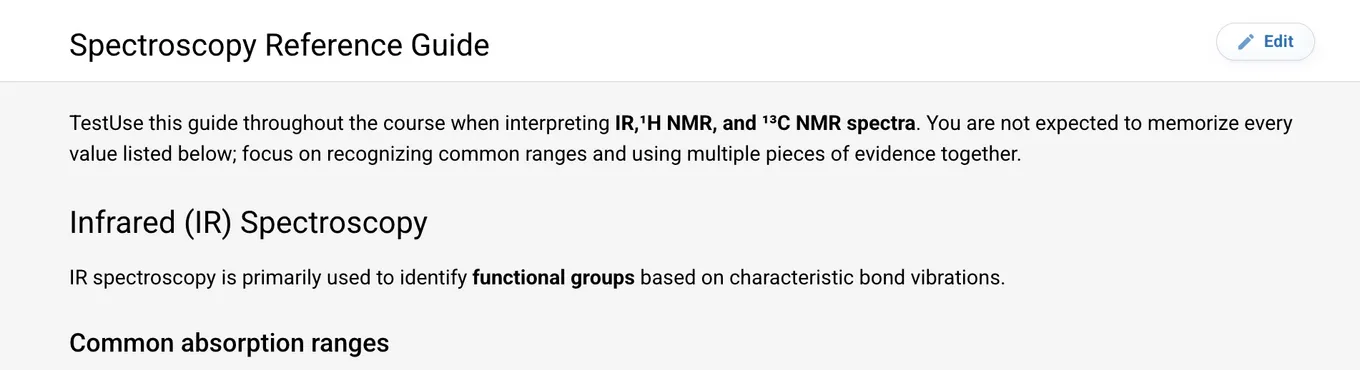
Add course documents, such as your syllabus or lab manual, as Materials for your students to reference right from Stemble. We also added the ability to import Materials from a past course at the same institution, saving time on setup.
New Assignment Gating Tools
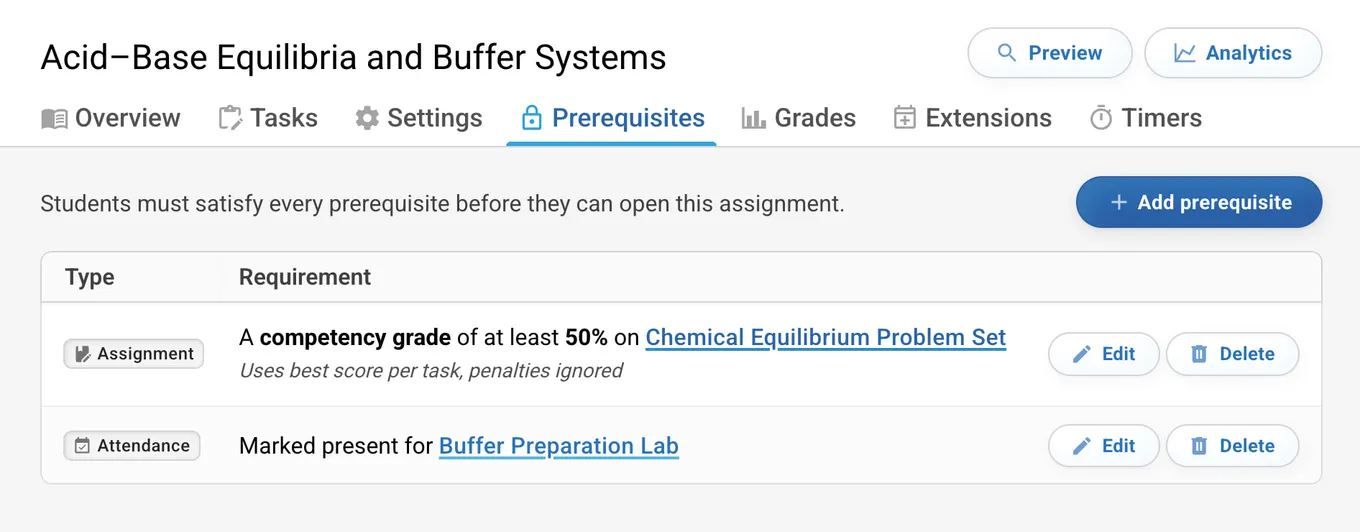
Use “Events” to grant assignment access only to students who meet a specific criterion. For example, open a post-lab assignment only after a student has attended a laboratory session. For an in-depth overview of prerequisite options, see this video.
-
From the Design Desk
Lessons from Stemble’s Instructional Design team
A Hybrid Feedback Model for STEM Assessments
Read moreProviding detailed (and consistent) feedback takes time and training. In a large chemistry course, TAs may only have time to leave a few words on each response, giving students limited insight into where they went right or wrong. At Stemble, we’ve always worked toward clear, consistent feedback through well-defined rubrics. Our design team has been exploring another way to put that guidance into practice: a hybrid grading approach that combines AI-generated feedback with manually assigned grades.
-
Research Highlights
Articles that have us excited, asking questions, or thinking differently
Education research informs how we design learning experiences, support instructors, and work toward better student outcomes. Each month, we’ll highlight articles from the Stemble community and the broader field of education research that have us excited, asking questions, or thinking differently.
Time for O-Chem to Level Up
How people see organic chemistry matters. This article, co-authored by Dr. Dory DeWeese — a member of the Stemble user community — draws on a 2026 public survey suggesting that the subject remains misunderstood and underappreciated. For us, this sparks questions about the experiences we create for students. How can we help them connect chemistry concepts to the world around them? How can practice and feedback build confidence and understanding? These questions sit close to our work with instructors: designing learning experiences that make challenging material more approachable while supporting meaningful learning. We’re excited to see members of our community contributing to this conversation.
Read the articleChung, K. K., Rivera, C. A., DeWeese, D. E., Garg, N. K., Ippoliti, F. M., & Nasrallah, D. J. (2026, August 25). Time for o-chem to level up. Nature Reviews Chemistry.
AI and STEM Learning: Looking Closely at the Evidence
What does the evidence actually tell us about AI and student learning? This systematic review examined 85 studies, ultimately including 49 in a meta-analysis. Initial analysis suggested positive learning effects, but the results were not conclusive. Wide variations in learning goals and assessment methods helped to explain some of those differences. For Stemble, this reinforces the importance of thoughtful instructional design and well-defined measures of student success so that we can be intentional about the choices that we make while building content and analyzing outcomes.
Read the articleBoolzen, C., Kuhn, J., Flegr, S., Rott, E.-M., Stausberg, N., & Küchemann, S. (2026, August 25). Evidence of impact and interpretational limits of generative AI in STEM education: a systematic review and meta-analysis on cognitive learning outcomes. Artificial Intelligence Review, 59, Article 223.
-
News & Events
Where to find the Stemble team
Catch Us at ABCChem
Dr. Jason Pearson, Stemble Founder, will be a panelist at the session “Innovative Strategies for Chemistry Education in an AI-Era” on Sunday, December 6, 2026 as part of ABCChem 2026 in Rio de Janeiro, Brazil. ABCChem offers an opportunity for top scientists from around the Atlantic Basin to share ideas and collaborate on current multi-disciplinary chemistry topics. Will you be at ABCChem? Let us know—we’d love to arrange a time for you to connect with Jason.

Interested in future issues?
Stay connected with ideas, tools, and news to support great teaching and learning.
Thank you for being part of the Stemble community.
Better insights. Better design. Better outcomes.